BATHROOM · 7 MIN READ
How to Remove Soap Scum From Shower Glass
Remove soap scum from shower glass without scratching it, plus a simple weekly habit to keep glass clear longer.
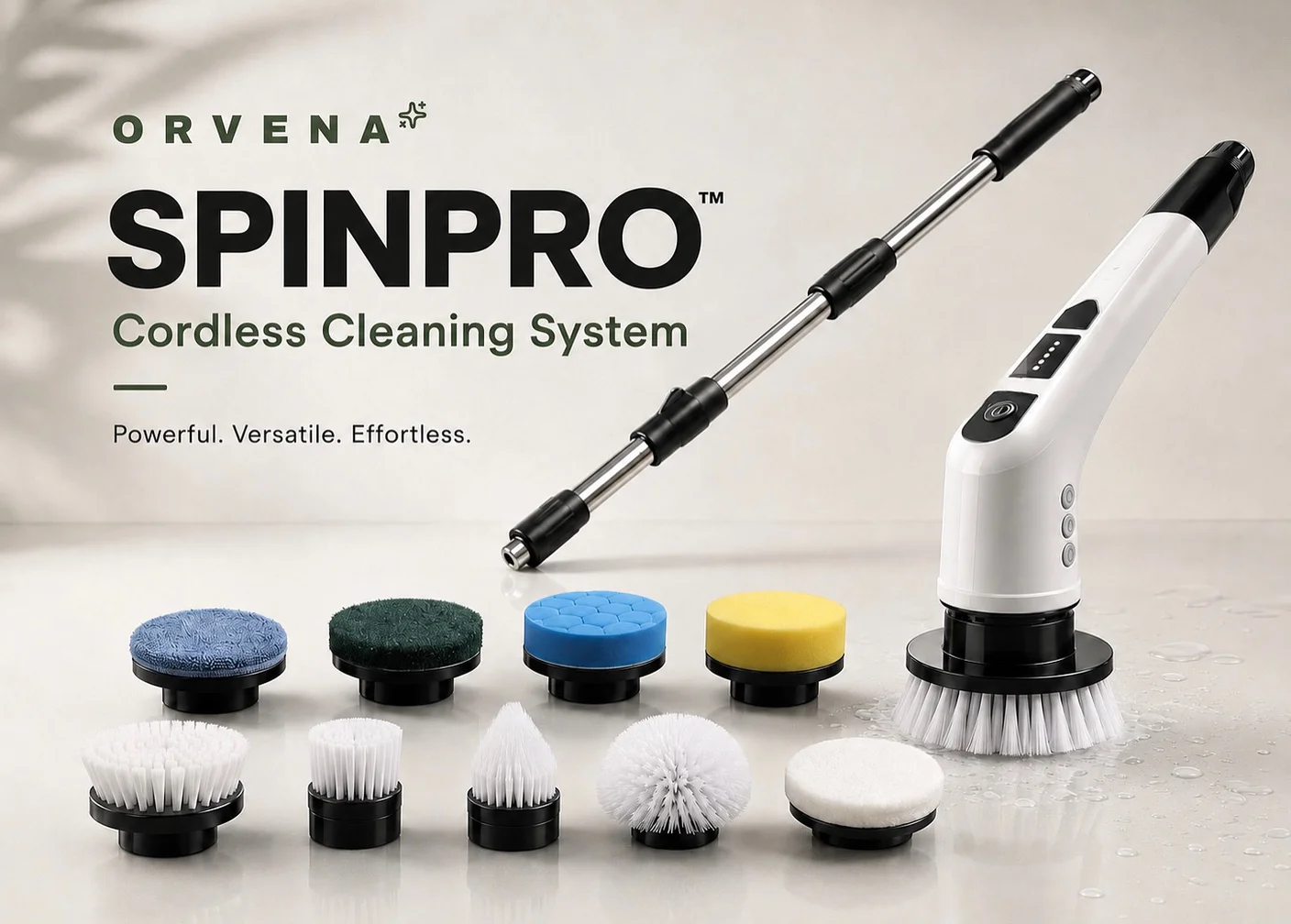
Soap scum is the cloudy, chalky film that builds up on shower glass over time. It forms when soap residue combines with minerals from water, creating a bond that sits on the surface of the glass and gets thicker with every shower if it is not addressed. The good news is that it comes off with a fairly gentle process, as long as you avoid anything abrasive that could scratch the glass in the process.
What soap scum actually is
Most soap scum is a mix of leftover soap or body wash residue and minerals from your water supply, especially if you have hard water. It clings to glass, tile, and fixtures alike, but it is most noticeable on glass because it dulls what should be a clear surface. The longer it sits, the more it can bond to the glass, which is why a quick weekly pass is far easier than trying to remove months of buildup in one go.
Step-by-step: a safe removal process
- 1Ventilate the bathroom by opening a window or running the fan, and clear the shower of bottles and mats so you have full access to the glass.
- 2Choose a cleaner labelled safe for glass and, if applicable, for any coating on your shower door, and apply it evenly across the surface.
- 3Let the cleaner sit for the dwell time noted on the label so it can loosen the residue before you start scrubbing.
- 4Using a soft, non-abrasive brush or pad, work in small sections with light, even pressure, following the surface rather than pressing hard in one spot.
- 5Rinse thoroughly with clean water to remove all cleaner and loosened residue.
- 6Dry the glass with a squeegee or a clean, lint-free cloth to prevent new water spots from forming as it air-dries.
Before you start
Follow the instructions on your cleaning product and any care guidance for your shower glass or its coating. Ventilate the bathroom, and test any unfamiliar cleaner on a small, inconspicuous area first. Never mix cleaning chemicals together.
Avoiding scratches on shower glass
Glass scratches more easily than people expect, and once it is scratched there is no undoing it. Skip abrasive powders, scouring pads, steel wool, and anything metal, since these can leave fine scratches that trap even more grime going forward and dull the glass permanently. Stick to soft, non-abrasive brushes, microfibre cloths, or soft scrub pads instead. If you are using a powered scrubber, choose a soft or non-abrasive attachment specifically, and keep the motion light rather than pressing the brush hard against the glass.
Why even, light pressure matters
It is tempting to push harder on a stubborn patch of scum, but consistent light pressure across the whole panel tends to work better than isolated heavy scrubbing. Even pressure lifts residue uniformly and reduces the risk of leaving faint marks or swirl patterns on the glass. If one area is more stubborn, let a bit more cleaner sit on it briefly rather than scrubbing harder.
Rinse and dry thoroughly
Any cleaner residue left behind can attract new dust and grime, so a thorough rinse with clean water is worth the extra minute. After rinsing, drying the glass makes a noticeable difference: a squeegee pass or a wipe with a dry microfibre cloth removes the water before it evaporates and leaves mineral spots behind, which is one of the biggest contributors to that hazy look over time.
A simple weekly maintenance habit
The single most effective thing you can do for shower glass is build a quick squeegee habit after each shower, or at minimum a few times a week. Wiping the glass dry while it is still wet from your shower takes under a minute and prevents soap and mineral residue from ever fully settling in. Pair that with a proper cleaning pass, using the steps above, roughly once a week, and you will rarely deal with heavy scum buildup again.
Hard water considerations
If your home has hard water, mineral deposits will build up faster and may require a bit more frequent attention, even with a good squeegee habit. Look for a glass cleaner formulated to address mineral buildup specifically, and check the label to confirm it is suitable for your type of glass before using it regularly.
What to avoid on coated or treated glass
Some shower glass comes with a water-repellent or protective coating applied at installation. If yours does, avoid abrasive pads, harsh scouring, and any cleaner not labelled safe for coated glass, since these can wear down the coating faster than normal use would. When in doubt, check with the glass manufacturer or installer about which products and tools are safe to use on your specific door.
Cleaning tools from ORVENA
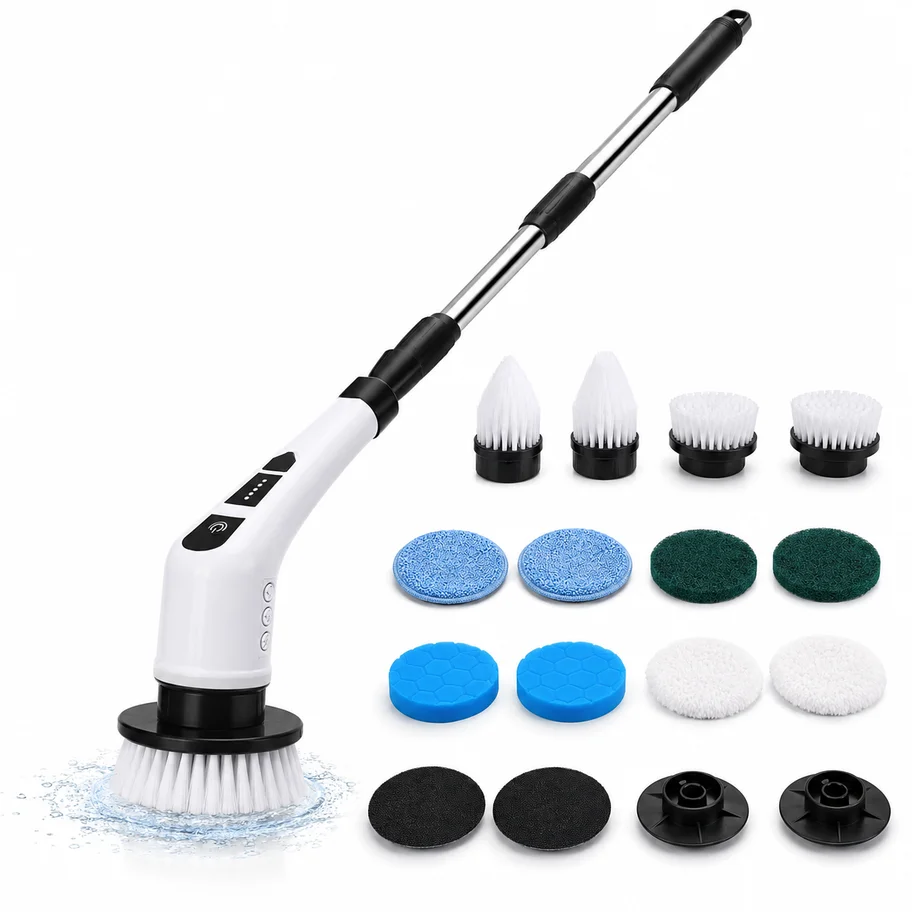
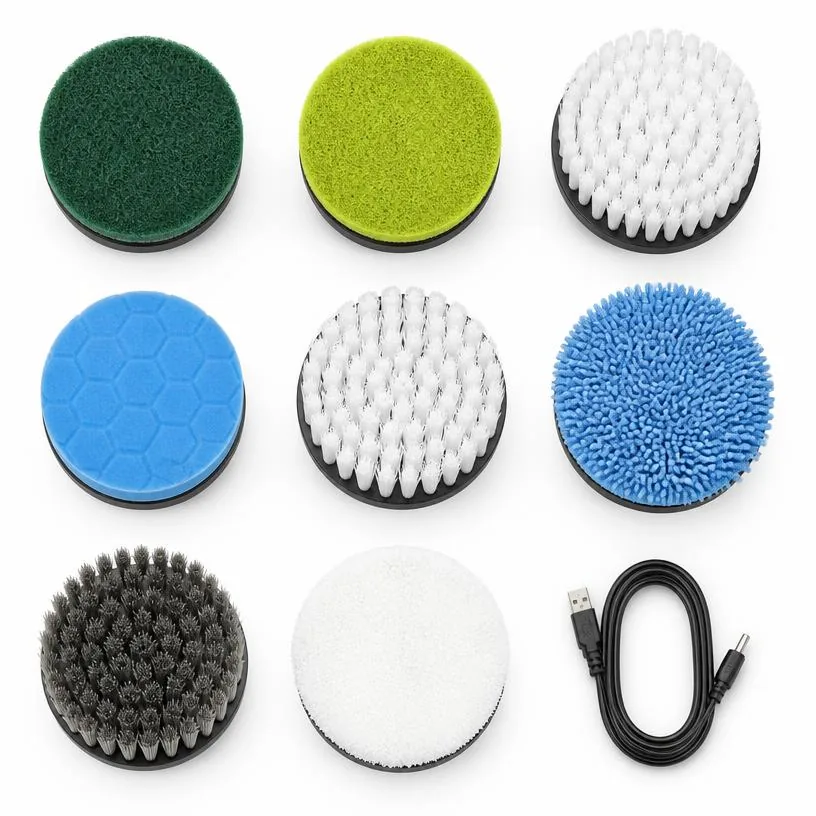
Cordless tools built for everyday cleaning: SpinPro for reach and larger surfaces, Detail for precision work, Extra 18PC for replacement and specialty accessories.
WRITTEN BY
ORVENA Editorial Team
HOME CLEANING GUIDES
The ORVENA editorial team writes practical, tested-in-the-real-world cleaning guides. Every method here is written to be safe for common household surfaces, and product notes are limited to what we can confirm about our own tools — SpinPro, Detail and Extra 18PC.
PUBLISHED AUGUST 18, 2026
ORVENA JOURNAL
Get new cleaning guides by email
Practical guides for grout, glass, tubs and tile — plus ORVENA product updates. No spam, and you can opt out at any time.
Keep reading
TILE & FLOORS
How to Clean Bathroom Grout Without Scrubbing for Hours
BATHROOM
How to Clean Hard-to-Reach Bathroom Areas
TOOLS