BATHROOM · 8 MIN READ
How to Clean Hard-to-Reach Bathroom Areas
A practical order of work for corners, tracks, toilet bases, and high or low spots that get skipped during a normal clean.
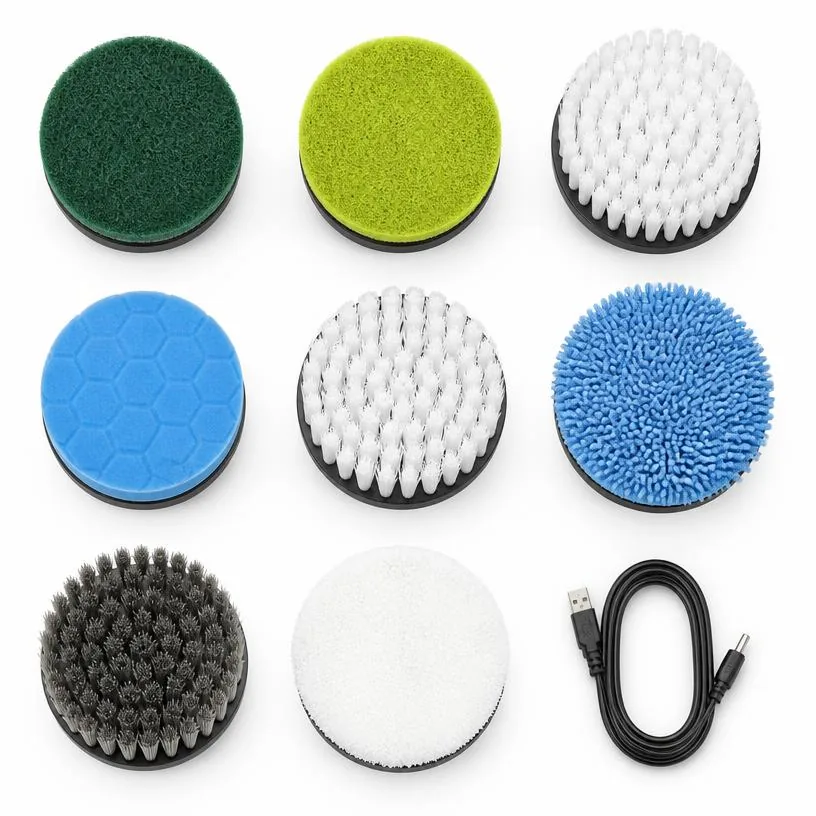
Most bathrooms look clean on the surface long after the corners, tracks, and edges have quietly built up grime. These hard-to-reach areas get skipped not because they are ignored on purpose, but because they are awkward to access with a regular cloth or brush. This guide walks through the trickiest spots in a typical bathroom and a sensible order to tackle them in.
Corners and inside edges
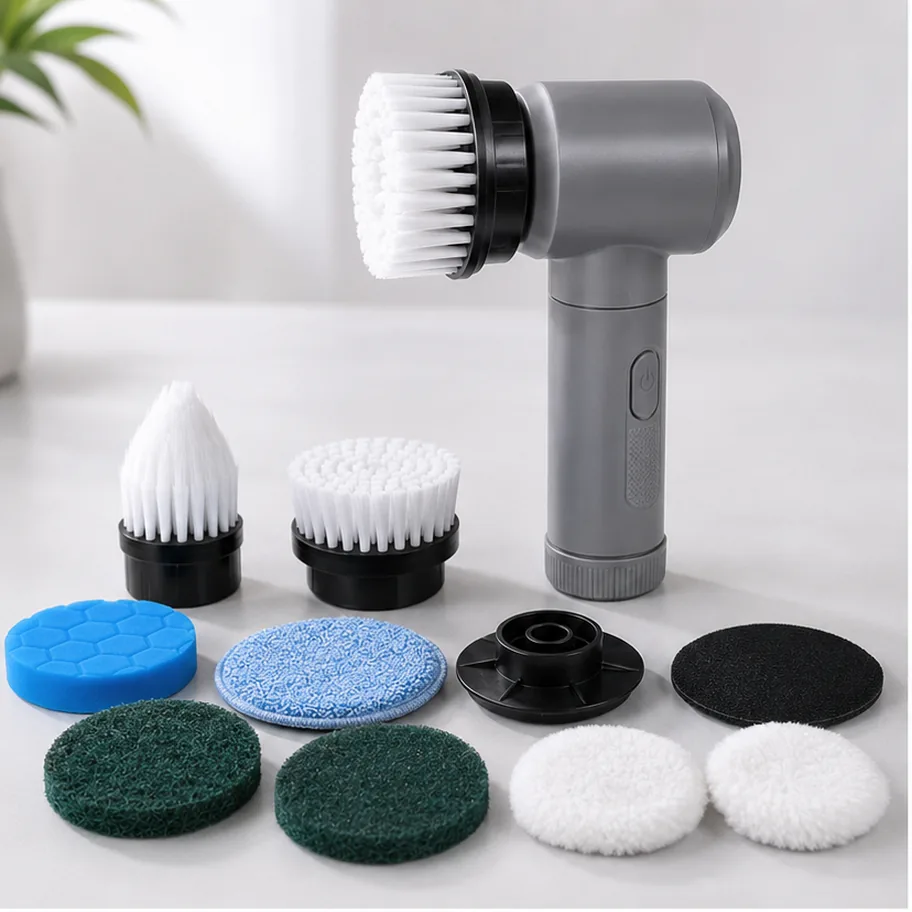
Where two tiled walls meet, or where a wall meets the tub or shower base, grime and soap residue collect in a way that a flat cloth simply cannot reach. A small brush head angled into the seam works far better than trying to press a sponge into a 90-degree corner. Detail's compact size and interchangeable heads are suited to this kind of tight, precise work since you can get the bristles right into the seam without scrubbing the surrounding tile unnecessarily.
Behind and around the toilet base
Before you start
Always follow the instructions on your cleaner and the surface manufacturer's care guidance, ventilate the bathroom while cleaning, and test any new product on a small hidden area first. Never mix cleaning chemicals.
The base of the toilet, especially the back corners against the wall, is one of the most avoided spots in the whole room. A cloth wrapped around a hand rarely reaches all the way back. A smaller brush head on an extendable or compact tool lets you get behind the base without needing to squeeze your whole hand into the gap. Wipe the floor first, then work the brush around the base in short sections.
Tub edges and the gap along the wall
The narrow gap where the tub meets the wall tile is a common spot for mildew and soap scum to build up because it rarely gets a direct, angled scrub. Run a small brush head along the seam in one direction, rinse, and check for any residue left in the corner. For the flat edge of the tub itself, a wider head can cover more ground once the seam is handled.
Shower door tracks
Sliding door tracks trap water, soap, and debris in a channel that is narrow and often has small ridges. A narrow, stiff brush head is far more effective here than a cloth, since it can get down into the channel rather than just wiping the top surface. Work slowly along the length of the track and rinse frequently so you are not just pushing debris from one end to the other.
High surfaces: upper tile, vents, and enclosure tops
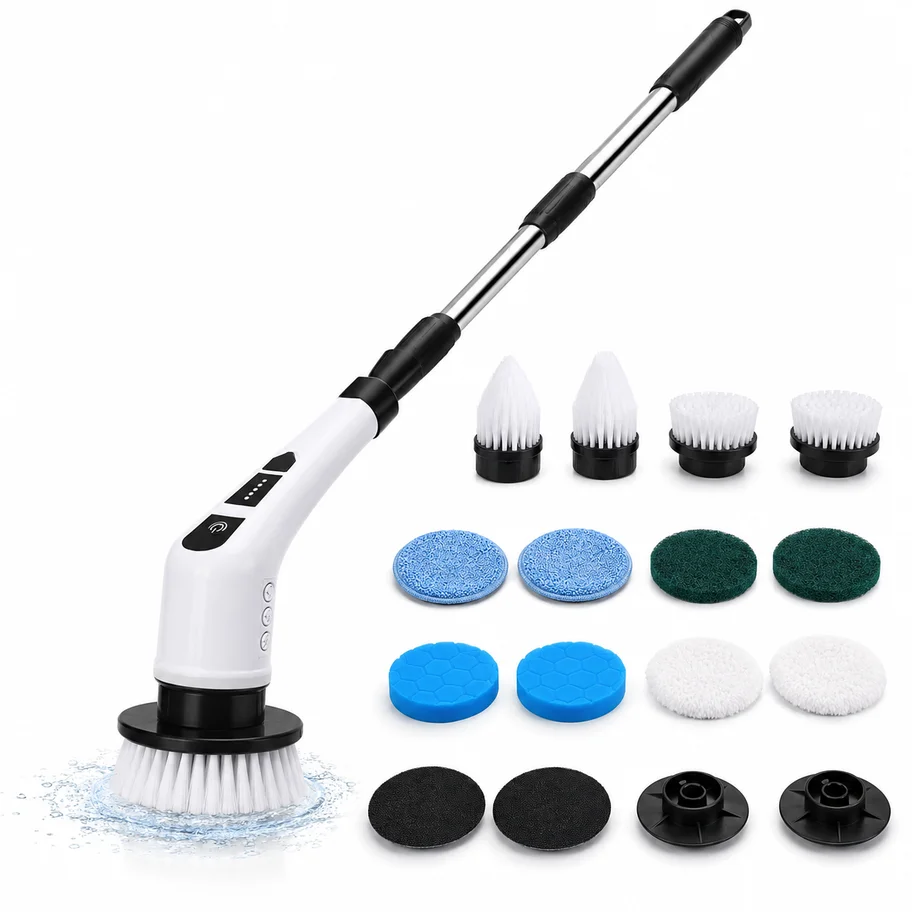
Tile above shoulder height, bathroom vents, and the top edge of a shower enclosure collect dust and residue that is easy to forget simply because you cannot see it at eye level. Rather than climbing on a stool with a cloth, an extendable-handle tool lets you reach these surfaces from the floor. SpinPro's extendable handle is built for exactly this kind of overhead reach, letting you cover upper tile and enclosure tops without extra equipment.
Low surfaces: floor edges and under the vanity
At the opposite end, floor edges along the baseboard and the space under a vanity cabinet collect dust, hair, and splashes that a standard mop often glides right past. Getting a brush head low and angled along these edges, again helped by an extendable handle so you are not kneeling and reaching under cabinets by hand, clears this buildup far more thoroughly.
A practical order of work
- 1Clear the floor and any items from tub edges or vanity tops
- 2Start high: upper tile, vents, and enclosure tops first so debris falls downward
- 3Work through mid-level areas: corners, tub edges, wall gaps, and shower tracks
- 4Finish low: floor edges, under the vanity, and around the toilet base
- 5Rinse and dry surfaces as you go so residue does not resettle into the areas you just cleaned
Working from high to low keeps you from redoing sections, since dust and drips from upper surfaces naturally settle onto the areas you have not cleaned yet. Once you have this order down, the trickiest spots in the bathroom stop being a separate chore and just become part of the regular routine.
Cleaning tools from ORVENA
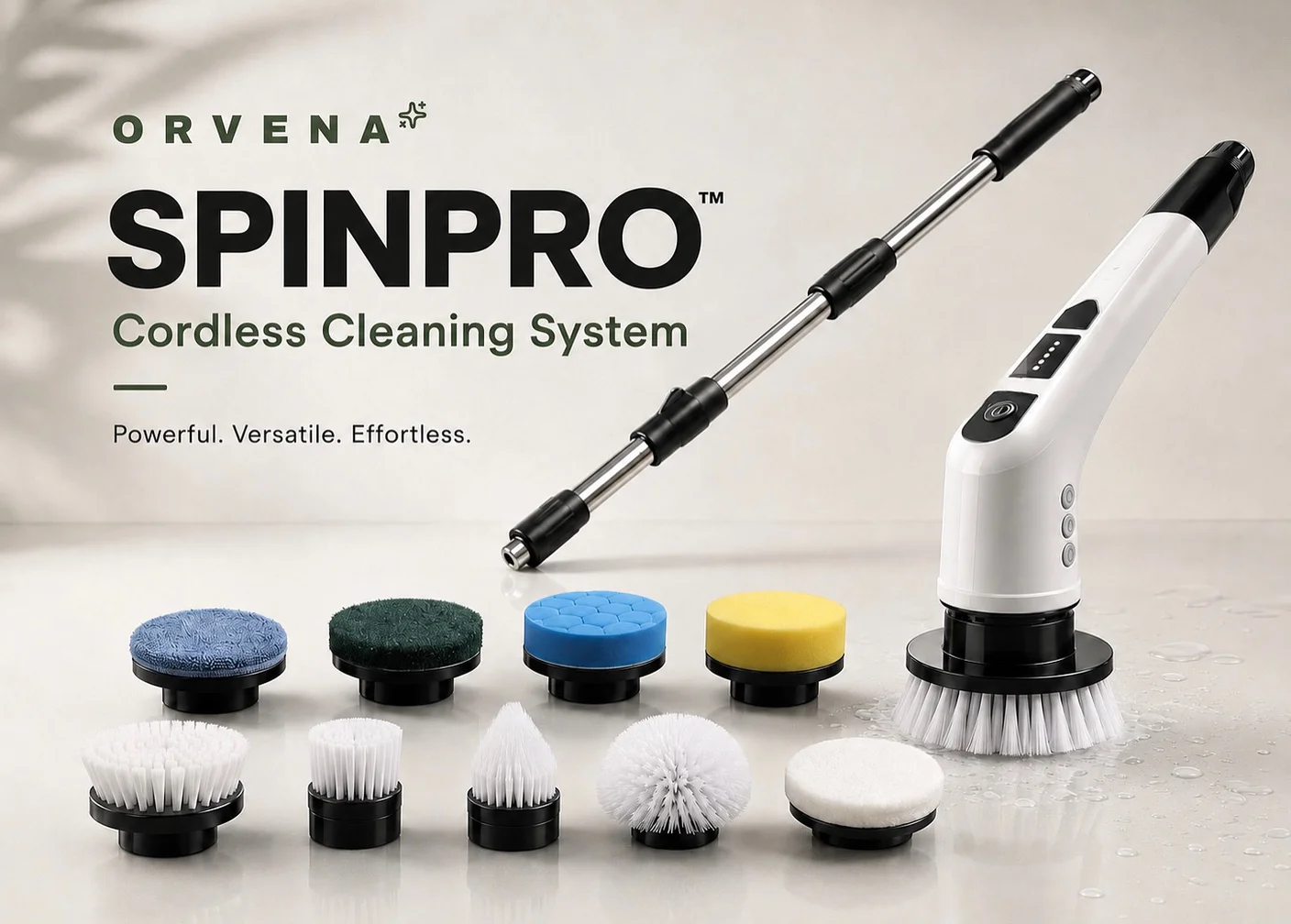
Cordless tools built for everyday cleaning: SpinPro for reach and larger surfaces, Detail for precision work, Extra 18PC for replacement and specialty accessories.
WRITTEN BY
ORVENA Editorial Team
HOME CLEANING GUIDES
The ORVENA editorial team writes practical, tested-in-the-real-world cleaning guides. Every method here is written to be safe for common household surfaces, and product notes are limited to what we can confirm about our own tools — SpinPro, Detail and Extra 18PC.
PUBLISHED AUGUST 18, 2026
ORVENA JOURNAL
Get new cleaning guides by email
Practical guides for grout, glass, tubs and tile — plus ORVENA product updates. No spam, and you can opt out at any time.
Keep reading
FIXTURES
How to Clean Around Faucets, Fixtures and Tight Corners
TILE & FLOORS
How to Clean Bathroom Grout Without Scrubbing for Hours
TOOLS