TOOLS · 7 MIN READ
Cordless Cleaning Tools: What Actually Makes Them Useful?
What matters in a cordless cleaning tool: reach, weight, interchangeable heads, charging, storage, and sensible water habits.
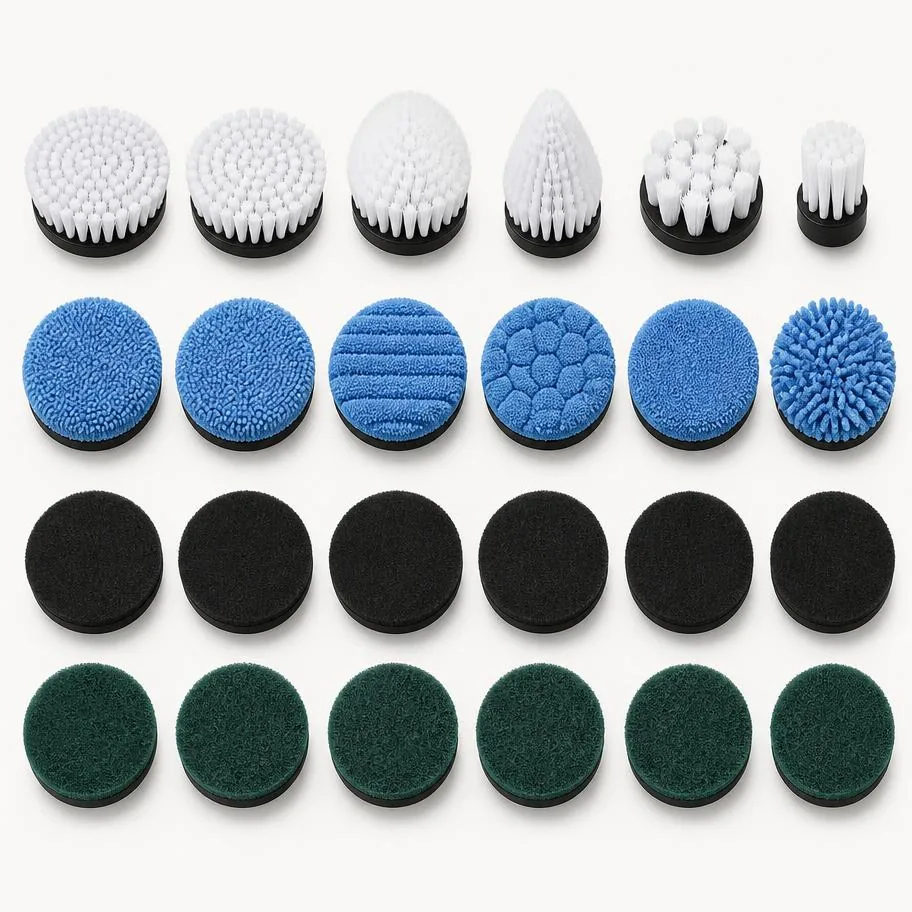
A cordless cleaning tool is only as useful as its reach, balance, and how easily it switches between jobs. Being cordless matters far less on its own than how the tool feels to hold for five minutes of scrubbing, how far it can extend, and whether it's easy to charge and store between uses. Here's what's actually worth evaluating.
Freedom from cords and outlets
The obvious benefit of a cordless tool is that you're not tethered to an outlet or dragging a cord around a wet bathroom floor. That matters most in rooms where outlets are far from the areas you're cleaning — around a tub, along a shower wall, or across a tiled floor. It also means one tool can move from the bathroom to the kitchen to an entryway without hunting for a plug each time.
Comfortable weight and balance
A tool that's light in a product photo can still feel awkward after a few minutes of real scrubbing, especially overhead or at an angle. Balance matters as much as total weight — a handle that's well-proportioned to the head keeps your wrist from doing extra work. If you're cleaning shower walls or a tub surround, this is the difference between a five-minute job and one that leaves your arm tired.
Reach with an extendable handle
Reach is one of the most underrated features in a cordless cleaning tool. An extendable handle lets you scrub a shower wall, tub floor, or tiled bathroom floor while standing, instead of kneeling or stretching. This is where a tool built for larger surfaces, like SpinPro, earns its keep — the extended handle covers tubs, tile floors, and shower walls without requiring you to get down on your knees for every pass.
Interchangeable brush heads
One brush shape doesn't suit every surface. A flat head works differently than a pointed or narrow one, and grout lines need something different than a wide tile surface. Tools with multiple replaceable heads let you match the brush to the job — soft enough for glass, firm enough for grout — without buying a separate tool for each surface. This is where a compact, precision-focused tool like Detail stands out, with five replaceable heads suited to sinks, taps, corners, and tracks.
It's worth noting that specialty accessory kits, like ORVENA's Extra 18PC, are sold as a separate rotary scrubber accessory set rather than as attachments for a specific handheld tool — so check compatibility carefully before assuming heads are interchangeable across different product lines.
Charging convenience
A cordless tool that's dead when you reach for it defeats the purpose. Look at how the tool charges — USB charging is convenient because it works with chargers and power banks you likely already own, rather than requiring a dedicated dock or an unusual cable. A tool you can top up overnight on a nightstand or in a drawer is one you'll actually reach for.
Storage footprint
Cordless tools are meant to be grabbed quickly, which means storage matters more than it seems. A compact tool with a small head, like Detail, tucks into a cabinet or drawer near the sink. A longer-handled tool built for floors and tubs, like SpinPro, needs a spot in a closet or leaning in a corner. Think about where each tool will actually live before buying, since a tool that's buried in storage tends to get used far less often.
Sensible water-exposure habits
Cordless, rechargeable tools involve electronics, so how you handle water matters. As a general habit, avoid submerging the tool, wipe it dry after use, and always follow the manufacturer's instructions for cleaning and storing it. These habits protect the tool regardless of the specific product you own, and they're worth building into your routine from day one.
Before you start
Always follow the manufacturer's instructions for your specific tool and any cleaning products you use with it. Ventilate the space as needed, test unfamiliar cleaners on a small, inconspicuous area first, and never mix cleaning chemicals.
Where a mop or cloth is still simpler
Cordless powered tools aren't the right choice for every job. A quick daily wipe of a counter, a fast pass with a squeegee on shower glass, or mopping a large open floor is often faster with a simple cloth or mop than with a powered tool you'd need to charge and store. Powered scrubbers earn their place on jobs with real buildup — soap scum, grout grime, hard water spots — not on light daily maintenance.
What to evaluate before buying
- Reach: does it have an extendable handle for floors, tubs, and walls?
- Weight and balance: does it feel comfortable after a few minutes, not just in the box?
- Brush heads: are there multiple heads suited to different surfaces, and are replacements available?
- Charging: is it USB-based and simple to top up?
- Storage: where will it actually live in your home?
- Water habits: does the listing give clear instructions on cleaning and drying the tool?
- System fit: does it pair with other tools you own or plan to buy, like a compact detail tool alongside a full-size scrubber?
Most households end up better served by a small system than a single do-it-all tool — one tool built for reach and larger surfaces, one built for precision, and separate specialty accessories where needed.
Cleaning tools from ORVENA
Cordless tools built for everyday cleaning: SpinPro for reach and larger surfaces, Detail for precision work, Extra 18PC for replacement and specialty accessories.
WRITTEN BY
ORVENA Editorial Team
HOME CLEANING GUIDES
The ORVENA editorial team writes practical, tested-in-the-real-world cleaning guides. Every method here is written to be safe for common household surfaces, and product notes are limited to what we can confirm about our own tools — SpinPro, Detail and Extra 18PC.
PUBLISHED AUGUST 18, 2026
ORVENA JOURNAL
Get new cleaning guides by email
Practical guides for grout, glass, tubs and tile — plus ORVENA product updates. No spam, and you can opt out at any time.
Keep reading
TOOLS
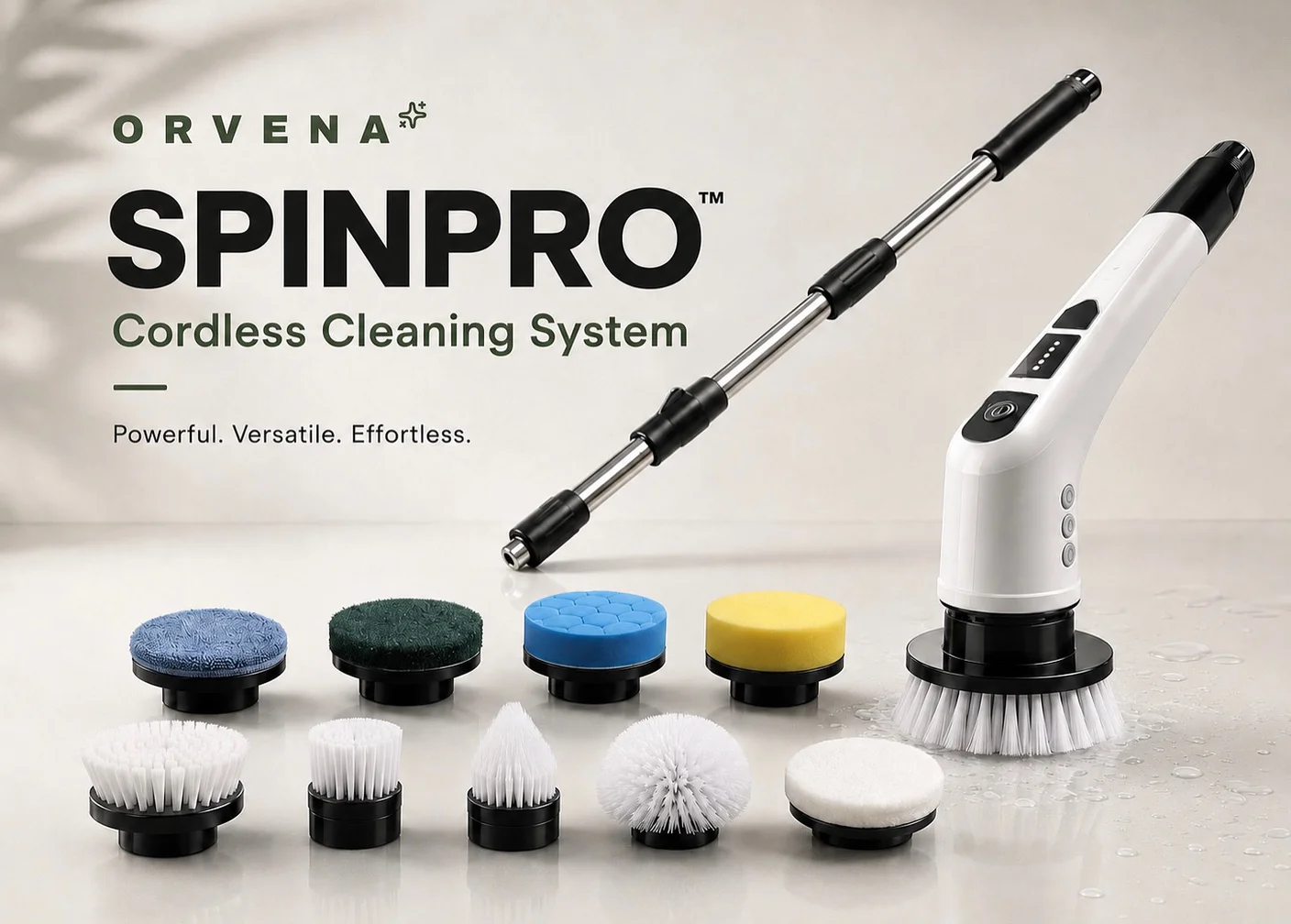
Electric Spin Scrubber vs Manual Scrubbing: Which Is Better?
TOOLS
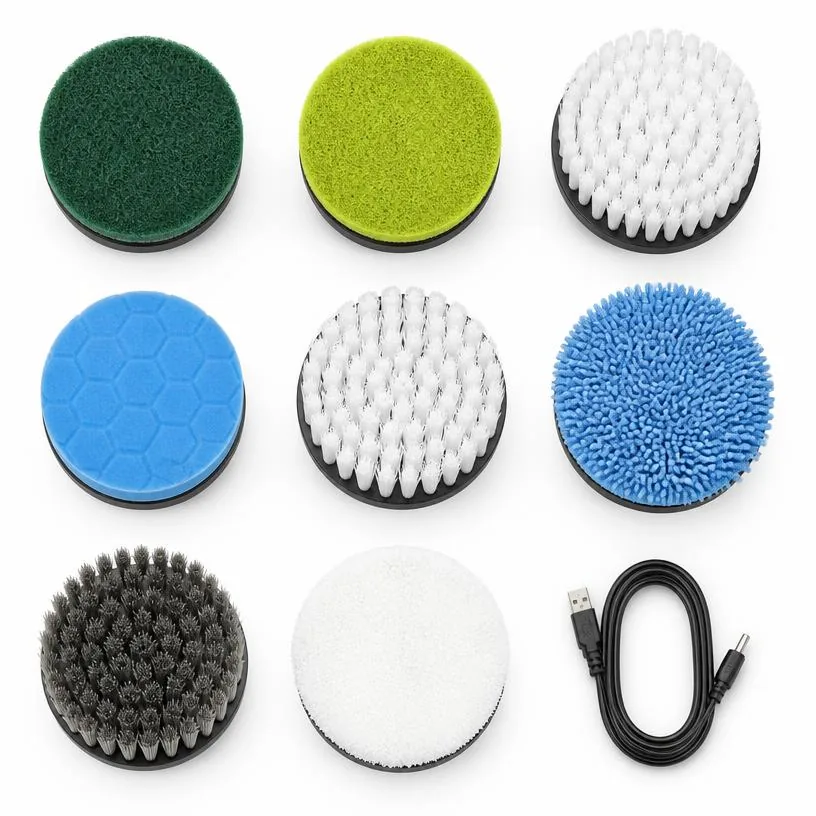
Cleaning Brush Head Guide: Which Attachment Should You Use?
BATHROOM